PARTNER PORTRAIT: Ardtornish Estate
On the remote Morvern Peninsula in the south-west corner of Lochaber, Ardtornish Estate is a 12,000 hectare landholding within the Loch Abar Mòr partnership, where some of Scotland’s finest temperate rainforest meets the rugged coastline of the Atlantic.

Ardtornish Estate lies on the remote Morvern Peninsula in the south-west corner of Lochaber. Here some of Scotland’s finest temperate rainforest meets the rugged coastline of the Atlantic. Shaped by tides and weather, rocky outcrops, inlets and saltmarsh support a rich array of wildlife. Inland, oak-dominated native woodlands are festooned with lichens, moss and bryophytes that thrive in the warm, wet conditions of the western seaboard. On the higher ground the ubiquitous molinia grass is interspersed with heather and wet flushes, while a network of burns cuts through the landscape to the sea.
Ardtornish has a history rooted in traditional patterns of land use. Deer stalking, livestock farming and woodland management have shaped this land and remain an integral part of the estate’s future. More recently a reduction in overall livestock numbers and an emphasis on using ‘native’ breeds as ecosystem engineers, has increased the drive towards ecological recovery. This has also maintained a steady supply of high-quality produce to local communities. Sustainability is at the heart of the estate’s objectives – there are five hydro power schemes, a biomass woodchip boiler and several other green initiatives, all of which contribute to the estate’s low carbon footprint.

Spanning 12,000 hectares of temperate rainforest, acid grassland, wet heath, bog, wetland and coastal features, Ardtornish is a significant landholding within the Loch Abar Mòr partnership.

Its rich array of habitats supports a wide range of wildlife species that includes eagle, pine marten, otter and red squirrel.

Mosses, lichens and bryophytes adorn many of the estate’s ancient oaks.

Alongside a reduction in sheep numbers, from 1150 to 450 (by the end of 2026), a regenerative grazing approach is being adopted, which allows the land to rest for longer periods.

The estate is bringing in 60 Luing cattle. These are better suited to the environment than continental breeds, and can be grazed sympathetically across the landscape using Nofence collars to avoid sensitive areas such as riverbanks.

A local couple are embarking on a grazing project, using cattle to revitalise habitats through trampling of bracken and molinia. This helps to create suitable conditions for natural tree regeneration.
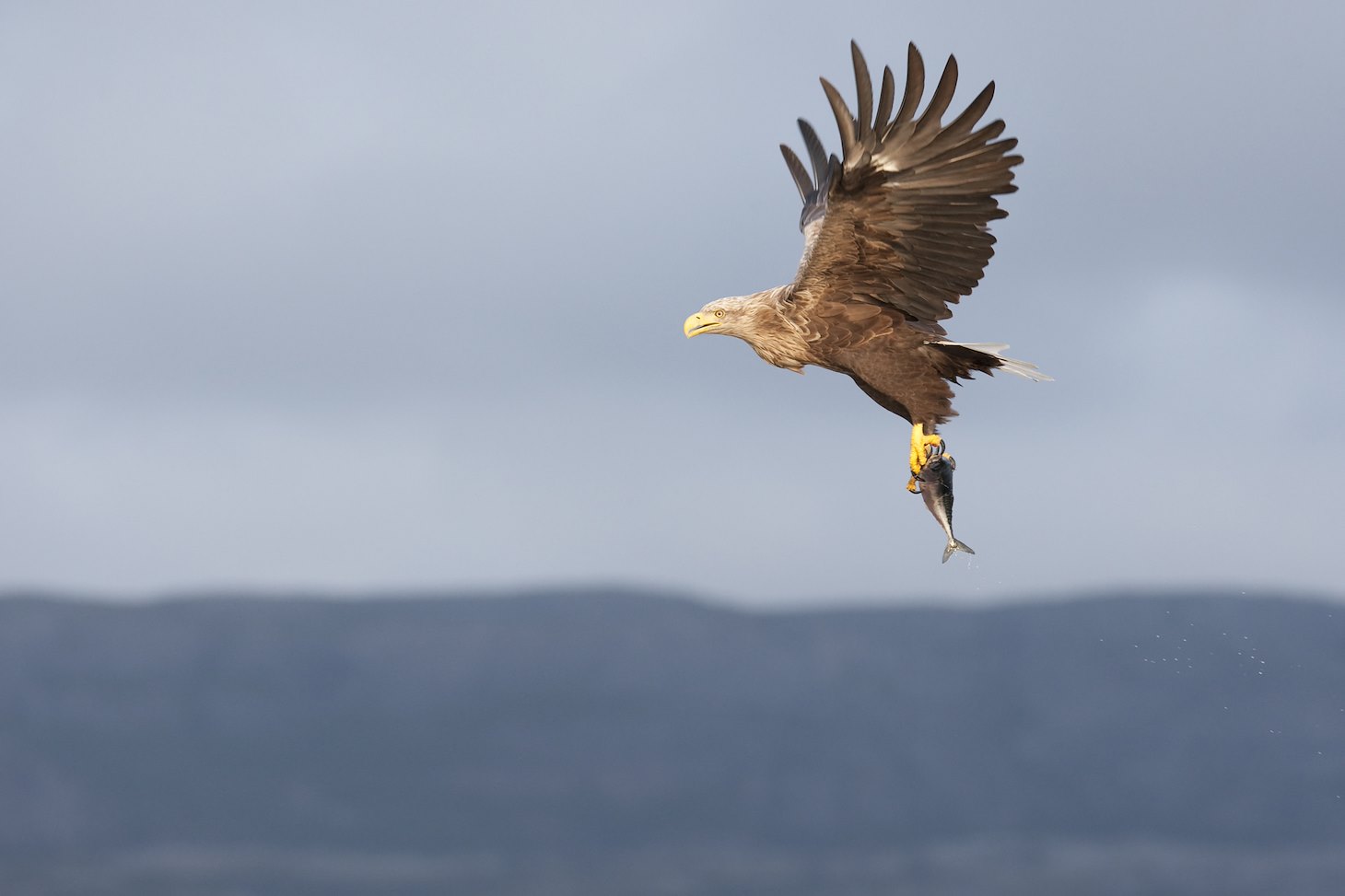
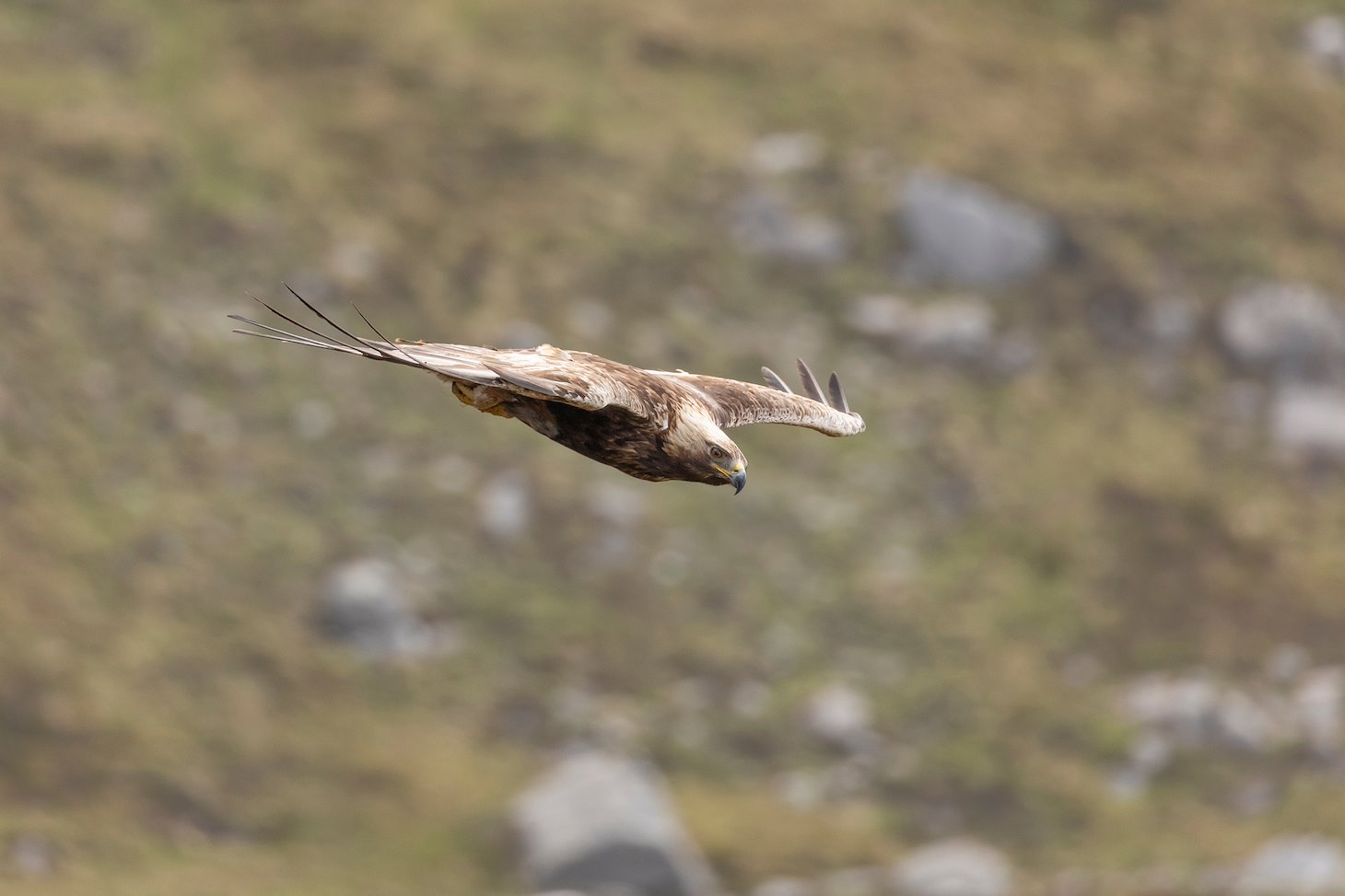
Since their reintroduction in the 1970s and ‘80s, white-tailed eagles have prospered along Scotland’s north-west coast and are a successful breeding bird on the estate. Golden eagles attempt to breed each year at Ardtornish but they haven’t successfully raised a chick for some time, because of the limited availability of small prey. Young golden eagles taking to the wing again would be a milestone moment for nature recovery.

Morvern has a very small remnant population of wildcats, making Ardtornish a good candidate for a possible reinforcement project.

Restoring habitats to a more favourable condition will allow a greater diversity of species to flourish, including under-represented species such as black grouse.

Historically, the five specially designated woodlands, which includes Atlantic rainforest, were all found to be in an unfavourable condition due to browsing impact. One is now recovering.

Ardtornish is undertaking a programme of landscape-scale deer density reduction that began in 2018, to allow for natural regeneration and to speed up habitat recovery.

A 1,100 hectare fenced low-deer zone was installed as part of the Aline catchment project, to help existing rainforest to recover, and kickstart future expansion through natural regeneration.

The results of a recent lichen flora survey led to a recommendation to diversify grazing animals, to preserve rare rainforest species. As a result, a grazing trial with wild ponies in Loch Aline SSSI (86 hectares of fenced area) will begin in 2026.

Redundant fencing has been removed from large parts of the estate, allowing wildlife to move more freely across the landscape.

High browsing pressure has led to a lack of tree cover along much of the River Aline. This is being addressed by planting native species within protective ‘seed islands’.

Large woody debris (tree root plates) has been secured in the Aline’s banks to mimic natural processes and create suitable habitat for fish and aquatic invertebrates.

Regular butterfly transects on the Rahoy Hills reserve, co-managed with the Scottish Wildlife Trust, provide valuable data to help measure nature recovery.

150 hectares of peatland restoration has been funded by the University of Edinburgh to inset carbon expended by international students travelling from abroad.

The landowners at Ardtornish take social responsibility seriously and strive to deliver benefits to the community, and involve them in decisions across the estate.

The ecological restoration work at Ardtornish is very much a pilot that is both replicable and scalable elsewhere, and will help inform nature recovery across the Loch Abar Mòr network.